
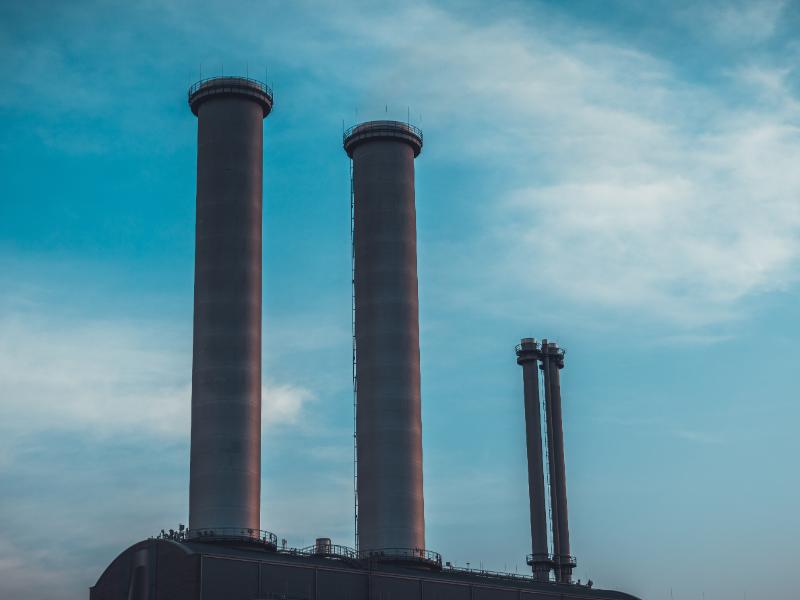
Operating an industrial or manufacturing facility in Illinois requires accurate stack testing data to keep things operating smoothly. The data gathered from these tests helps fulfill requirements from the Illinois Environmental Protection Agency (IEPA).
How does stack testing in Illinois help protect facilities from IEPA enforcement?
Under Illinois law, missed testing deadlines or failed emission runs can result in formal Section 31 Violation Notices (VNs), civil fines, or costly operational restrictions. You need this data whether your facility operates under a Clean Air Act Permit Program (CAAPP / Title V) permit, a Federation of State Air Operating Permit (FESOP), or a construction permit.
Partnering with an experienced testing firm provides the certified, EPA-compliant emissions data you need to protect your facility across these areas:
- Section 31 Violation Notices (VNs): Conducting pre-test evaluations and precise stack testing catches emissions issues early. This helps you avoid formal notices and strict 45-day response windows.
- 35 IAC Part 283 Test Plan Protocols: Experienced air quality teams handle required pre-test plan submissions. This makes sure your three-run arithmetic averages satisfy state compliance standards.
- Control Device Efficiency: Routine testing proves the destruction and removal efficiency (DRE) of your oxidizers, scrubbers, or baghouses. This keeps your active air operating permit in good standing.
- Continuous Emission Monitoring Systems (CEMS): Executing Relative Accuracy Test Audits (RATA) helps keep your automated monitoring equipment properly calibrated and legally defensible during IEPA audits.
Partnering with an experienced air testing firm helps your source testing, RATA audits, and control device evaluations satisfy state regulators. Impact Compliance & Testing delivers legally defensible data tailored to your facility’s CAAPP or FESOP permit requirements.
To book certified stack testing in Illinois for your industrial facility, call (517) 268-0043 or contact us online!
What to Expect During an IEPA-Compliant Stack Test in Illinois
Conducting source sampling on your industrial exhaust stacks requires strict adherence to state and federal protocols. To make sure your emissions data is legally defensible during an IEPA compliance audit, testing must be carefully planned, executed under representative operating loads, and thoroughly documented.
How is a professional stack test conducted in Illinois?
Your facility’s stack test starts by submitting a pre-test plan under 35 IAC Part 283, executing three valid EPA reference sampling runs, and delivering certified compliance reports to the IEPA. An experienced environmental consulting firm helps source sampling, continuous emission monitoring audits (RATA), and control device evaluations proceed without disrupting your operations.
If you’re scheduling source sampling for a CAAPP operating permit or validating monitoring equipment, your stack testing consists of these three phases:
Pre-Test Plan Submissions & Protocol Review
Before field testing starts, your environmental team submits a formal test plan to the IEPA pursuant to 35 IAC Part 283. This helps establish sampling locations, traverse points, and operational parameters with state regulators in advance. The goal is to help prevent post-test protocol disputes.
On-Site Sampling & 3-Run Testing
During field execution, your certified sampling crews install calibrated probes directly into your company’s stack ports. Technicians run a minimum of three valid tests using standardized EPA methods while your facility operates at maximum capacity. This helps establish true arithmetic emission averages.
Data Quality Assurance & Certified Reporting
Your environmental consulting partners collect air samples and continuous analyzer logs and put them through strict quality assurance reviews. The final emissions report offers comprehensive calculations, calibration sheets, and operating logs that can be submitted to the IEPA.
When Should Your Illinois Facility Schedule a Stack Test?
Scheduling your stack testing shouldn’t be limited to emergency compliance issues or mandatory permit renewal deadlines. Proactive facility managers and environmental engineers schedule testing as a strategic planning tool to support growth, verify new equipment, and maintain regulatory alignment.
Here are four operational triggers that require scheduling a stack test:
- New Equipment Installations & Modifications: Installing a new boiler, generator, or production line requires an initial compliance stack test within 60 to 180 days of startup, under NSPS or NESHAP guidelines.
- Control Device Efficiency Verifications: Testing the destruction and removal efficiency (DRE) of Regenerative Thermal Oxidizers (RTOs), scrubbers, or flares ensures your facility’s pollution control hardware meets permitted limits.
- Mandatory CEMS & RATA Permit Cycles: Facilities with continuous analyzer hardware must undergo periodic RATA testing using USEPA reference methods to confirm instrument precision and satisfy recurring Title V compliance mandates.
- Proactive Production Scale-Ups: Running an upfront emissions test before ramping up production schedules or expanding operating hours ensures your facility remains within existing permit thresholds and identifies whether an IEPA permit modification is required under 35 IAC Part 283.
Impact Compliance & Testing Keeps Your IL Permits Compliant
Don’t let unverified stack readings or missed 35 IAC Part 283 protocol filings lead to costly IEPA Section 31 Violation Notices. Impact Compliance & Testing delivers certified field teams, precise source sampling, and EPA-compliant reporting to help your next stack test go smoothly.
Call (517) 268-0043 or contact our air compliance team online to schedule your stack testing program today!