
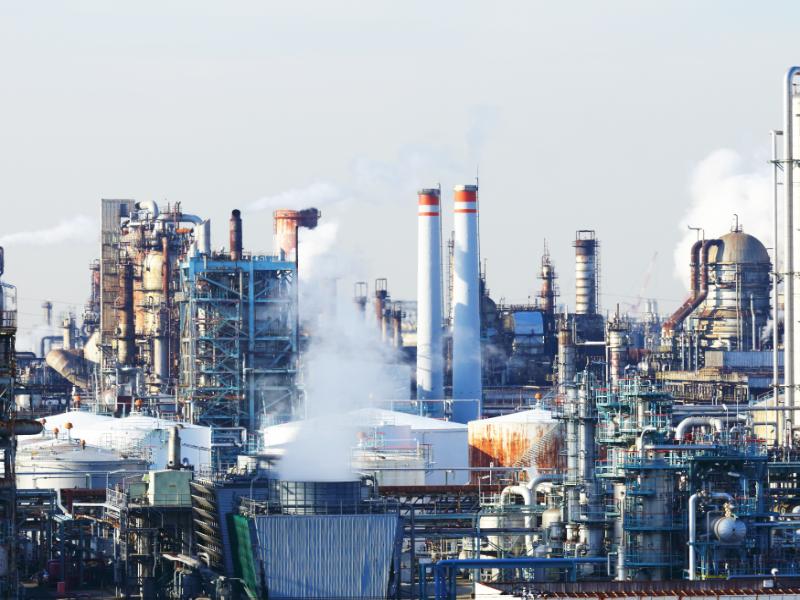
Modern industrial facilities rely on complex engineering, strict operational schedules, and tight regulatory margins. While these advancements streamline operations, some companies face bottlenecks due to unmanaged ambient emissions that affect their Title V operating permits, corporate liability, and community relations.
How does quality air testing defend a facility against regulatory enforcement and emission liabilities?
Quality air testing acts as your facility’s primary environmental defense by providing legally defensible, third-party data to regulators. Here’s why this information is so critical for your heavy industrial operations:
- Quantifying Fugitive & Fenceline Contaminants: Specialized sampling isolates and measures microscopic particulate matter, volatile organic compounds (VOCs), and hazardous air pollutants (HAPs) that traditional stack monitors can miss.
- Investigating & Documenting Community Concerns: Rigorous ambient data tracking provides an objective, scientific shield when nearby communities report off-site odors or possible environmental issues.
- Evaluating Environmental Risks During Demolition or Mining: Monitoring helps track dust generation, silica exposure, and airborne fibers. This helps keep projects within strict regulatory thresholds.
- Securing Legally Defensible Baseline Data: Plant operators receive EPA-method-compliant documentation needed to support future permits, modifications, and formal audits.
At Impact Compliance & Testing, we provide industrial facilities, chemical plants, waste managers, and municipal infrastructure operators with certified, site-specific data. To get accurate data that offers absolute regulatory certainty and operational freedom, call us at (517) 268-0043.
Modern Industrial Facilities Face Ambient Air Quality Challenges That Aren’t Always Visible
Many industrial compliance issues don’t begin with equipment failure or a visible smokestack plume. The first warning signs are typically agency notifications, community complaints, or unexpected variations in plant fenceline data.
When should industrial ambient air monitoring be done?
Here are three examples of regulatory situations where advanced emissions testing for compliance can provide useful data:
1. Tracking Fugitive Emissions from Process Operations
Many industrial air quality challenges start with a small, unmonitored leak. For example, a chemical processing plant might experience micro-fissures in valves, storage tank seals, or transfer piping.
Even if the primary stack scrubbers are operating, uncaptured fugitive vapors can still drift past your property line. An ambient air test detects volatile organic compounds (VOCs) and hazardous air pollutants (HAPs).
2. Defending Against Unverified Community Excursion Complaints
Your industrial manufacturing operation might share property boundaries with residential or commercial zones. Local homeowners downwind from your location might report offensive odors or respiratory discomfort to state environmental agencies.
When this happens, people tend to blame your specific facility. Expert third-party testing provides objective, meteorological-linked data that you need.
This information determines whether your facility actually exceeded threshold boundaries or if the pollutants came from a separate source.
3. Establishing Baseline Data for Major Facility Modifications and Permitting
Many industrial operators schedule ambient examinations when production is running smoothly. For example, a heavy manufacturer might need to demonstrate current air quality conditions while preparing to modify a production line or add a new kiln.
Having thorough, EPA-compliant monitoring results speeds the regulatory review process and prevents costly project delays during the state implementation plan (SIP) review.
Leveraging Environmental Consulting for Long-Term Operational Security
A partnership with an engineering and consulting firm helps manage your environmental footprint. Because state and federal regulations shift, managing high-stakes testing protocols in-house often presents legal risks.
What are the benefits of hiring a third-party environmental consulting firm for industrial air monitoring?
A specialized firm uses precise meteorological instrumentation and certified testing methodologies required to meet state and federal agency audits. Here are the ways your operation benefits by working with an environmental consulting team:
- Unbiased Third-Party Credibility: Independent, certified testing data carries maximum legal weight during environmental disputes and state enforcement audits.
- Turnkey Regulatory Reporting: A firm handles your entire data lifecycle, from physical fenceline monitoring to submitting compliance paperwork for SIPs and Title V certifications.
- Root-Cause Isolation: If a perimeter monitor shows a pollutant spike, your consultants trace the exact source within your plant.
- Strategic Pre-Permitting Engineering Support: Partnering with consultants makes sure your plant expansions satisfy EPA Nonattainment New Source Review (NSR) thresholds.
Why Midwest Industrial Operations Trust Impact Compliance & Testing
Don’t let fugitive emissions or inaccurate data jeopardize your operating permits or lead to regulatory penalties. Impact Compliance & Testing helps you secure your compliance status with certainty.
Call (517) 268-0043 or contact us online to schedule your technical permitting review with the environmental firm that protects you!